As Old As Aesop [David’s blog on DR Thursday]

“Isn’t it funny,” she said, “that we trust what comes out of the government of Pakistan more than we trust what comes out of our own government.”

Habitual lying destroys credibility. It is the point of Aesop’s fable, The Boy Who Cried Wolf. It’s a story as old as, well, Aesop, who walked the earth and told stories in the 6th century BCE.

Our current unfolding fable begs the question, “What happens when the wolf and the lying boy are one and the same?” Like the fern in our garden the story is unfurling right before our eyes. What moral lesson might Aesop have spun into our developing fable? This lying boy/wolf is certainly feasting freely upon the sheep, all the while crying, “Wolf!” – as if he himself was under attack from every quarter. Has the point all along been to blunt the villagers’ response to genuine urgent warnings? To so completely break down communal trust that the people refuse to believe what they see with their own eyes?

Of course, Aesop has a caution, a moral reminder prepared for our rescue: abuse of trust always backfires. It’s a consequence as predictable and as old as, well, Aesop. The lying boy/gluttonous wolf will have his reckoning. Yet, the villagers will suffer the greater loss. No sheep. Broken trust. A fractured community wondering how to put the pieces back together again.

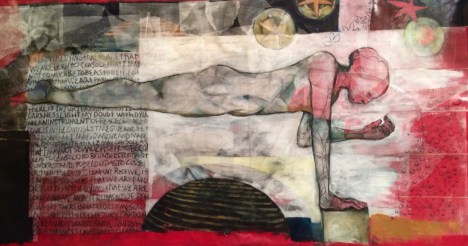
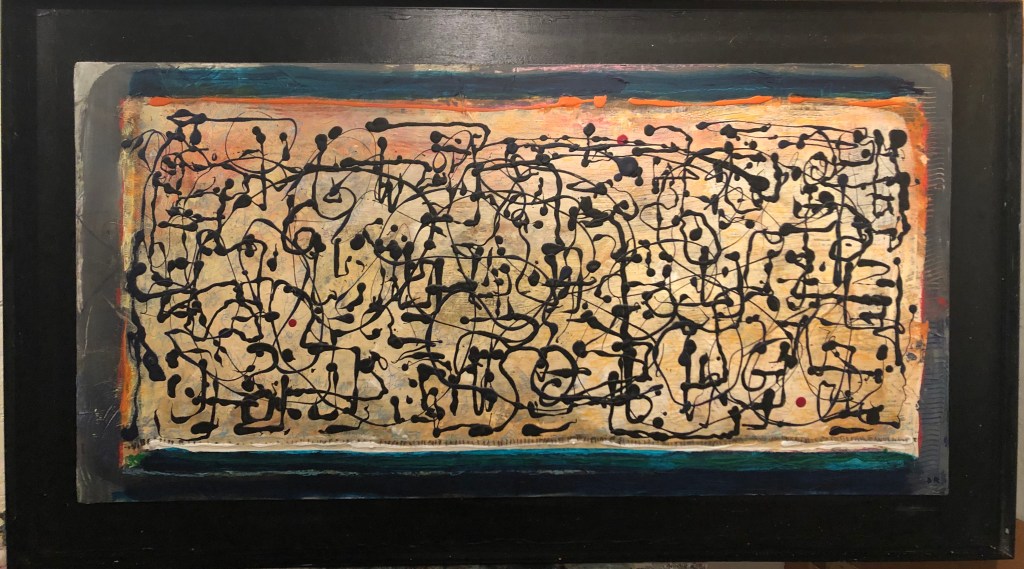
Sam The Poet, 48″x48″ acrylic on canvas

read Kerri’s blogpost about THE FERN

likesharesupportcommentthankyou

What The Hell Are We Doing? [David’s blog on Flawed Wednesday]

Sometimes it pays to look up. Cutting the tall grasses, cleaning and preparing the flower beds, I was hyper-focused on the task at hand. A distant rumble caught my attention so I looked up from what I was doing. Dark dragons were flying around in the sky. They breathed lightning, a flash followed by thunder. I dropped the metal clippers and headed inside. I thought it best to finish my task another day.

Once seen, the dragons in the sky were obvious. The lightning they breathed was unmistakable and dangerous. The action I took – dropping the lightning rod clippers and exiting the scene – seemed prudent. Easy and clear choices.

This morning I heard a distant rumble and I peeked at the news. The danger to our nation is obvious. A single delusional man, a retribution dragon encased in sycophants. A convicted felon, found civilly liable for rape. Does anyone really believe that he does not figure prominently in the Epstein Files? The Supremes granted him absolute immunity from criminal prosecution for all official acts and one wonders why grift falls under the umbrella of official acts. Is insurrection an official act? Is obstruction of justice an official act? Is threatening an entire civilization with annihilation an official act? Is falling asleep on the job or slurring speech or incoherence covered under the umbrella? They’re not crimes but would certainly be grounds for removal from any other job.

One wonders when the republicans will stop pretending that the sky is blue when they can see – as we do – that it is filled with a dangerous swirling delusional dragon? Will they drop their clippers in time or will they continue to hold tight to their metal rod and wave it at the lightning-filled-sky? You’d think they’d have the good sense to head for the door. You’d think that they might consider that the lightning they tease could be – will be – the death of us all. One wonders what must be lost, what lightning must strike, what line must be crossed, before they ask themselves, “What the hell are we doing?”

read Kerri’s blogpost about STORM CLOUDS

likesharecommentsupportthankyou

Number Matters [David’s blog on Two Artists Tuesday]

I took a week off from political commentary and general ranting about the current kakistocracy and my stats took a dive. I derived two conclusions. First, studies ad nauseam show that complaining is much more attractive than satisfaction. If a human being has a bad experience at a Disney theme park they will tell at least 18 people. If they have a good experience they might tell 3. Blame is like candy. It’s the reason fox news is so successful: victimization (blame story) is yummy and a great organizing principle for a club or a cult. Blame is delicious and once eaten, people can’t stop talking about it. It’s a great abdicator-of-responsibility which is why it fits maga and the fox-mind like a glove.

Second, it is a marker of the current era that even the least among us – someone like me – has stats. I have blog stats and weekly screen time stats. The steps I take on planet earth are recorded, compared to previous steps and offered back to me as stats on my health. We moderns locate our successes and failures through numbers. If I felt it important to chase blog stats I’d find it necessary to rant on a daily basis. As Kerri can report, I need no encouragement in that department.

The numbers are useful but the challenge with reducing everything to a number is that it simplifies the complex, it sanitizes the unconscionable. We’ve read that 13 servicemen and women have been killed in the war with Iran. We know that at least 160 school girls were killed by a US bomb during the first days of the war. The number allows us to distance ourselves. Violent death reduced to a stat. I can be outraged at the number while not having to deal with the actual savage death of a school child, let alone a school full of children. Faces and names and hopes and dreams. I’ve been a teacher. What if the 160 students were mine? What if the soldier killed was my son or daughter? Would the number matter?

A number is easier to swallow. Blame is terrific hand sanitizer.

I have a friend who intentionally keeps herself close to the margins. She doesn’t want to sleepwalk through life. Chasing comfort too often cultivates complacency. She wants to be awake. It’s akin to taking a cold shower to wake up. It’s the reason that when we walk our trails I often leave my phone and my stats behind. Kerri draws my attention to the living things, the smallest of buds, the trout lily bowing its head. A field of trout lilies. It’s visceral and wakes me from the numbers. It opens my eyes and ears and heart to the beauty and the inevitable roll of seasons.

It reminds me not to become what I hate, not to reduce myself and others to a data point, not minimize my life to the numbers. It reminds me to create a rich conscious life, to stand in my experiences, eyes and heart wide open and not measure the worth of my days by the number of people who know about it.

read Kerri’s blogpost about TROUT LILIES

likesharecommentsupportthankyou

The Blink Of An Eye [David’s blog on Merely A Thought Monday]

What the head makes cloudy/ The heart makes very clear” ~ Don Henley, In A New York Minute

“It’s as if last week never happened,” she said. We’d prepared for weeks for the trip and in a flash, in a New York minute, we were back home. “So much happened but now it seems like I dreamed it.”

We stayed in the same place that we stayed during our previous trip six months ago. Climbing the stairs into the small apartment it felt as if only a few days had passed. “Weird!” I said and she nodded. “It’s like we never left.”

Our recent undertaking has necessitated some serious life review. We’ve reached back decades to find details, we’ve driven the streets and neighborhoods where she rode her bike as a kid, we’ve stood in places that she stood nearly fifty years ago. “Has it changed?” I ask.

She shakes her head, “The trees are bigger.”

It’s a marvelous thing to have fifty years of life to revisit. It is a marvelous thing to be able to reach across decades and touch innocence. Sometimes this task has seemed nearly impossible. Sometimes fifty years of time, fifty years of life, seems like a flash. The blink of an eye. A New York minute.

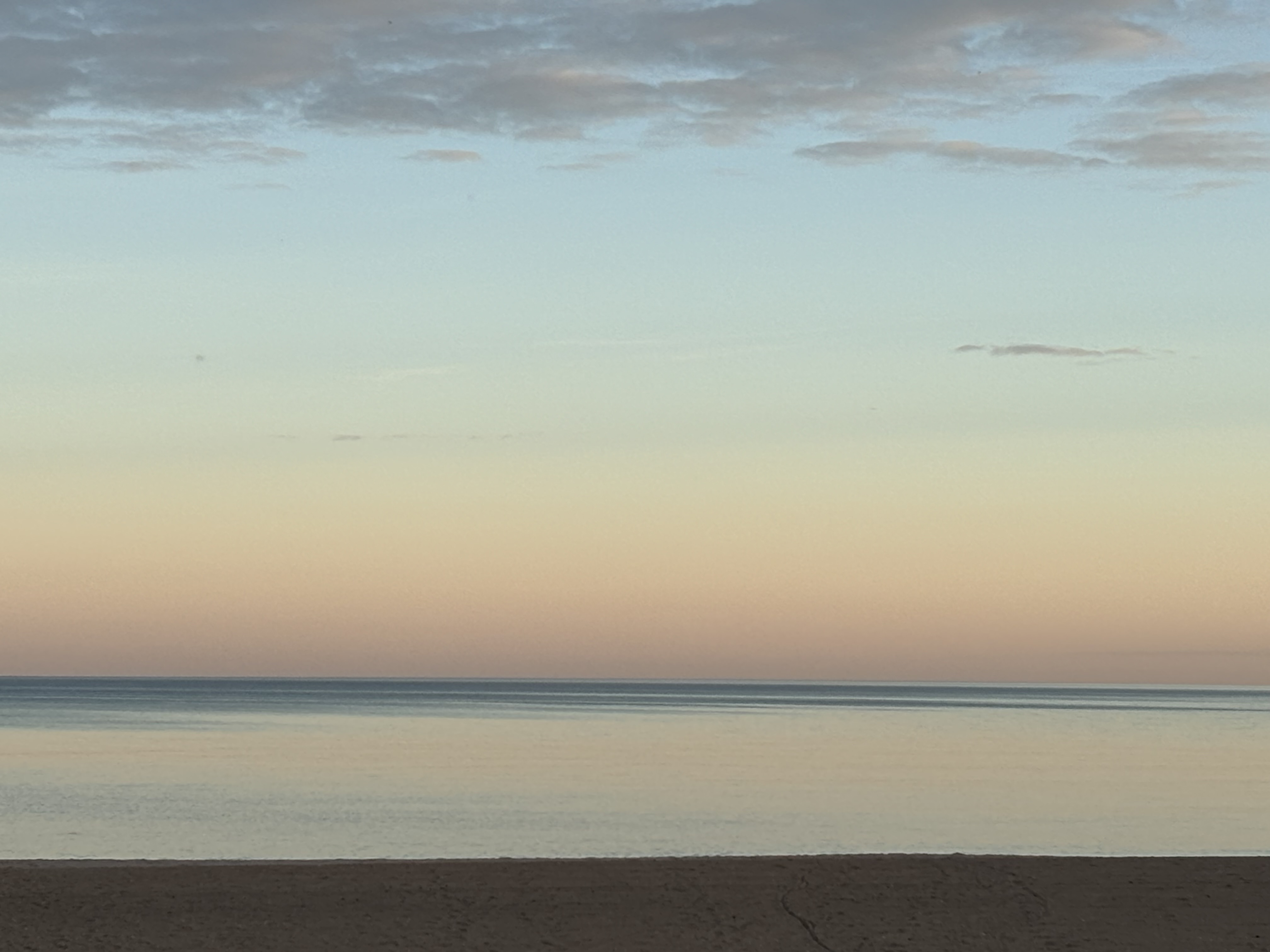
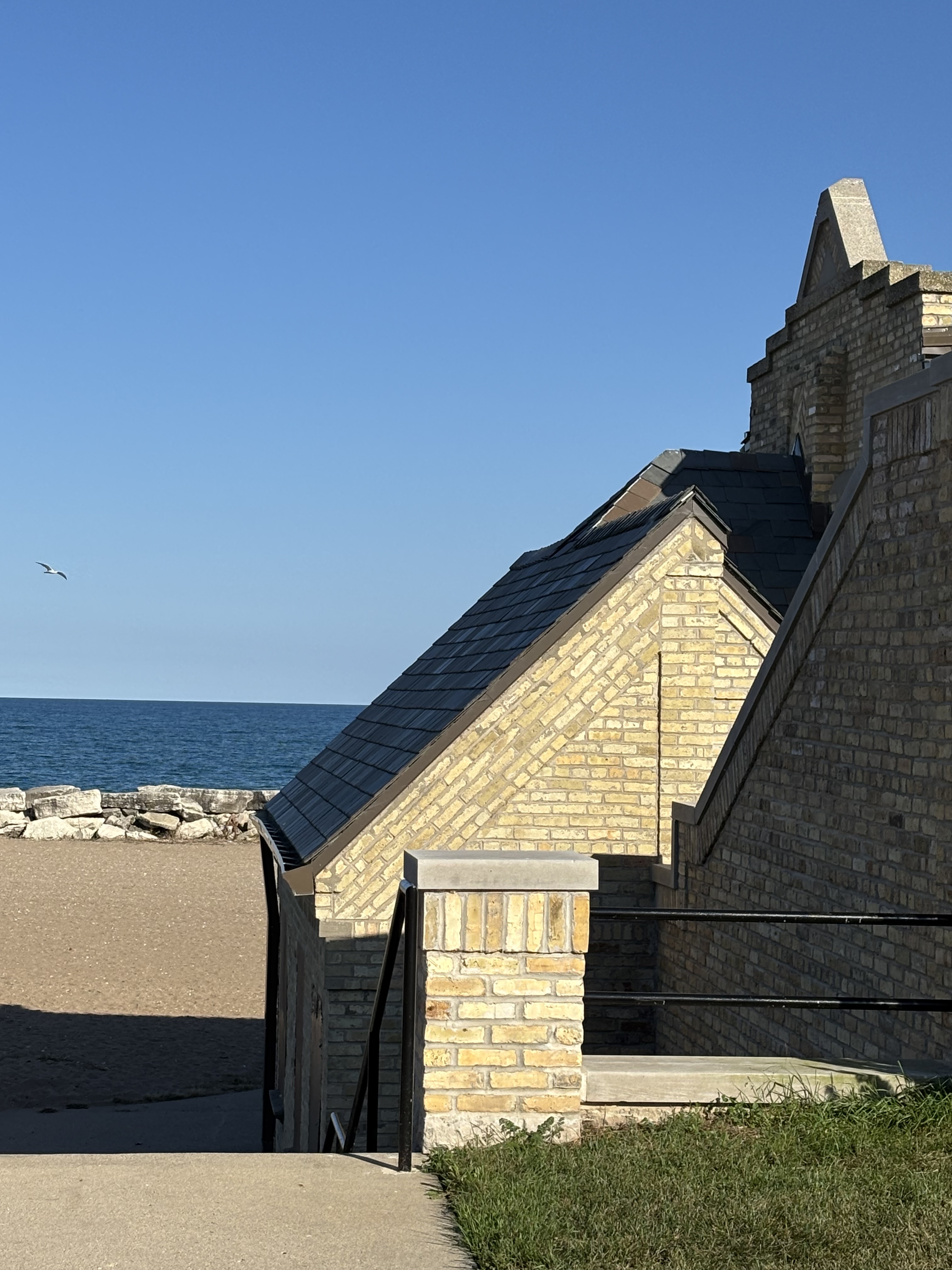
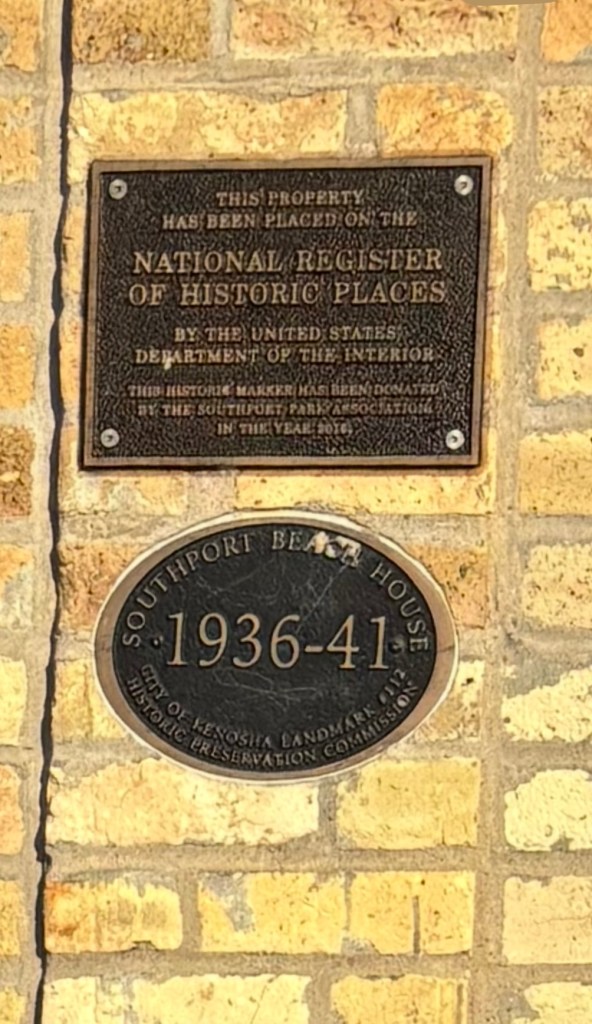
We stood on the beach. It was an unseasonably hot day. The last time we stood on this beach we needed extra layers. The wind was brisk. This day there was no breeze. We were slightly disoriented because it had been months yet felt as if we’d stood on this beach yesterday. “Something is different,” I said. She agreed. “What is it?” I asked. What’s different?”

“It’s mine, again,” she said. “After so long. It’s mine.”

read Kerri’s blog about A NEW YORK MINUTE

likesharecommentsupportthankyou

It Takes Two [David’s blog on KS Friday]

If you visit my About page you will find this quote by Reynolds Price: A need to tell and hear stories is essential to us – second in necessity after nourishment and before love and shelter.” Although I have updated my blog site several times over the years, I’ve not found a quote that better encapsulates what I believe.

I’ve read this quote hundreds of times. And, to my utter surprise, I recently learned that I’ve never fully understood it. I thought it was about story.

It’s funny how a brain works. Standing on the dock, staring into the harbor at sunset, Kerri snapped and then shared her photograph of a single boat moored in the harbor. In the frame the boat is alone – an image of loneliness – the synapse that fired in my noggin was the quote, “A need to tell and hear stories…”. A need to share. A need to be connected. A need to be a part of. Essential to us. Necessary. Story is what we share. The indispensable is that we connect through story; we create it together. The quote is about relationship.

Relationship, the need to tell and hear stories, need not be positive. For instance, we are witness to a propaganda machine that intentionally spins a tale to divide the nation. A hungry maga gobbles and regurgitates it. Make no mistake, maga needs woke because without an enemy, without something to fight, maga would have no identity. The straw man called “woke” is maga’s story glue; woke is the monster hiding under maga’s bed. Woke is a windmill erected so maga might have a reason to tilt.

A negative story can transform. It is the reason we came to be standing on the dock at sunset. A lifetime of running led to the necessity of stopping. Turning around meant facing the monster. Facing the monster meant returning to the dock. What was once lonely and broken became reconnected and whole. When faced, the monster shriveled to nothing. A destructive story is not destructive after all but a chapter in an inevitable march to well-being. That should give all of us hope. That is a worthy story to share.

It takes two at the very least to tell and to hear stories. It is essential.

THE WAY HOME on the album THIS PART OF THE JOURNEY © 1998 Kerri Sherwood

Kerri’s music – at least the compositions that she has recorded – is available on iTunes and streaming on Pandora. The vast majority of her music lives in her heart and in a notebook that rests on her piano.

read Kerri’s blogpost about THE HARBOR

likesharecommentsupportthankyou

Our Predicament [David’s blog on DR Thursday]

I’m not sure what you do for fun but lately I have a habit of Googling idioms. It’s a recent obsession since the advent of AI. It’s not the quick definition that tickles my fancy or the various context and meanings that AI provides. It’s that there is sometimes a bonus “What to do about it” section that I adore. And, why, exactly, do I love it so? It’s sanitized and, when read aloud, sounds like a transcript from a therapy session with an engineer. It’s the voice, the flat-character that sparks my imagination. For me, AI has a soma. It has a face, a voice, and desires a sense of humor.

Consider the idiom “hitting a brick wall”. AI adjusts his position on the couch and pronounces, “Stuckness.” I am visibly unimpressed. He continues, “Encountering an immovable object.” He clears his throat and attempts a smile but becomes self-conscious when I return a poker face. ” It might refer to mental exhaustion,” he adds to cover his discomfort. “It might be a creative-tank gone empty. No energy.” I nod, noncommittal. He asserts, “Writer’s block and hitting a brick wall are one and the same thing.” Again, I am unresponsive. My AI engineer-turned-therapist coughs and suggests that likely solutions would include taking a break or simply accepting my predicament. He adjusts his glasses and encourages me to reflect on how I got stuck in the first place so I might identify and remove the trigger. I squint. He is visibly uncomfortable, so he pulls one more platitude from his memory bank: “Seek a trusted colleague or a neutral party who can help you identify a solution that you cannot see.” He is visibly sweating-in-monotone.

“That’s why I’m here,” I say. “You seem to be a neutral party. But, can I trust you?” I ask. “That’s my question. Are you a truly a reliable colleague?”

My engineer-turned-therapist stares at me, unsure how to respond.

“It seems you’ve hit a brick wall,” I suggest. “Perhaps we should take a break and reflect on our predicament or simply accept our situation.”

read Kerri’s blogpost about BRICK WALLS

likesharecommentsupportthankyou

The Sound of Peace [David’s blog on Not So Flawed Wednesday]

There’s a mourning dove serenading us as we write. I love their song. They make me think of Bali. Each morning I took early meditation walks to the song of mourning doves. For me, they are the sound of peace.

Our Airbnb was on the grounds of a Catholic retreat center. After a long day of freeway driving it was a special treat to leave the known world and enter a patch of earth dedicated to quiet and reflection. Our host told us that we were welcome to walk the grounds so, after unloading our bags, we wandered the woods and slow-walked the roads. I was once again reminded how profound – and immediate – is the impact of our environment on us. Aggression evokes aggression. We meet the violence of the news-of-the-day with anger and fear. We are not as independent, not nearly as separate, as we like to believe. Environment shapes behavior. David Abram wrote that presence (a quiet mind) is nearly impossible in the incessant goal-driven noise of the USofA.

And, so, we stepped into the woods. The harried drive dropped from our shoulders, the frenetic game of freeway leap-frog dissipated. I imagined the trees breathed in our weariness and exhaled ease into our bones. We relished the vibrant colors elicited by the setting sun. We stood still and absorbed the bird song. We strolled by the nun’s residence and I wondered what a life lived in retreat might awaken.

I wondered what this nation might become if it honored quiet truth as much a noisy distraction…and then I let that thought go. It was a remnant of the freeway, a disturbance from another world. It called my attention away from the song of the mourning dove.

read Kerri’s blogpost about THE CENTER

likesharecommentsupportthankyou

Dancing On The Periphery [David’s blog on Two Artists Tuesday]

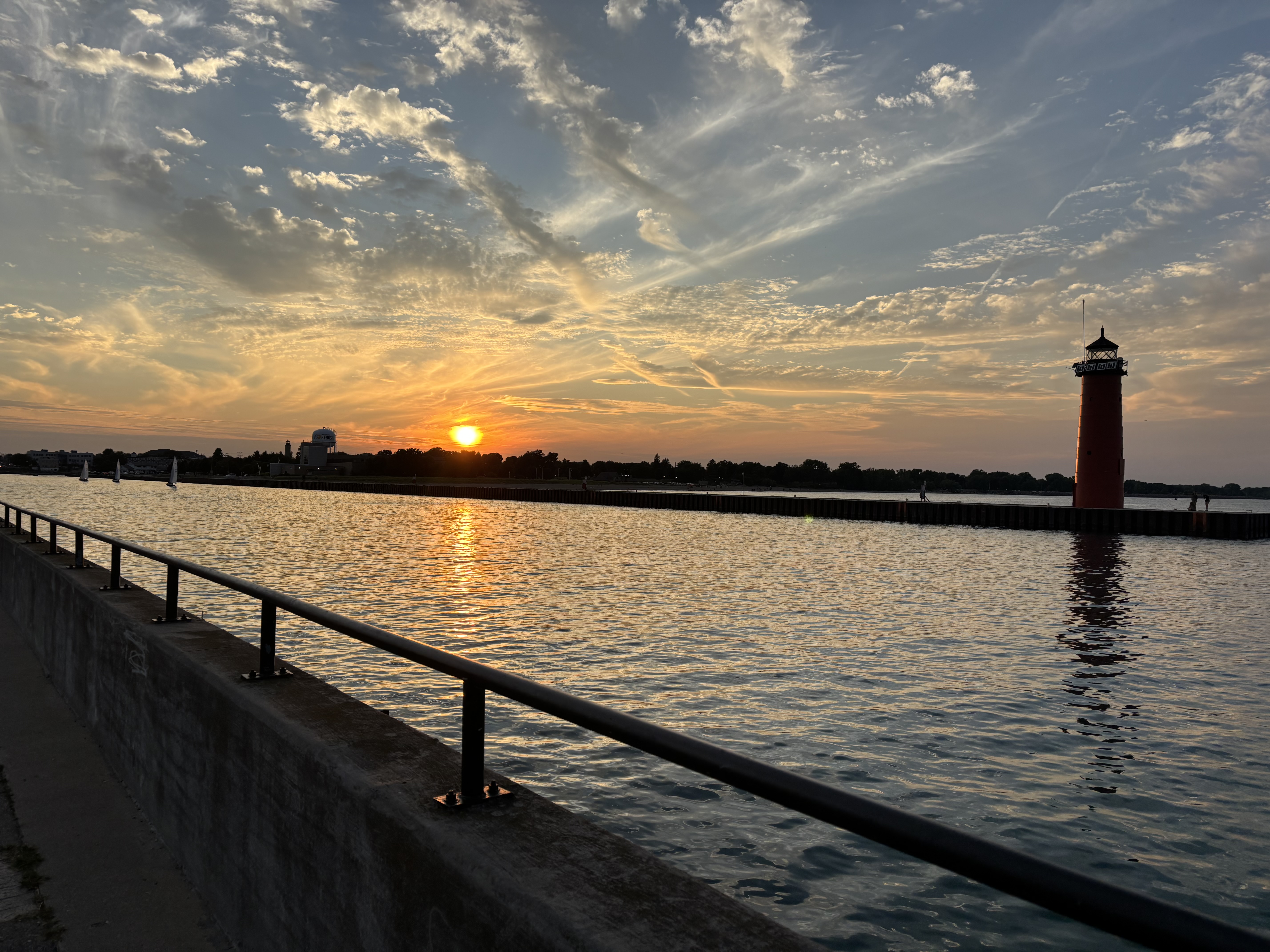
The light plays on the water. I imagine it is the quick glimpse of a spirit, shimmering at the corner of my vision and then vanishing when I try to look directly at it. It was our last night in the village so we walked on the dock to wish it farewell. My imagination of spirits was not random; all day I’d been saying things like, “We have good angels,” or “That was more than serendipity.” Helping hands seemed to surround us.

I also imagine that the very real good angels in our everyday-lives do not like to be seen. That must be the reason they hover at the edges of sight. They prefer to stay out of the limelight. Service is its own reward. I learned this from a lesson I used to adore assigning to my students: be an angel for someone with the single strict caveat that their angel-ness needed to be a secret. “What does it mean to be an angel?” they’d ask in a panic. I’d shrug.

“Figure it out.” And they always did. Their angel experiences were electric, eye-opening. Dare I suggest life-changing? It is profound to intentionally focus goodness on another human being with no expectation of reciprocity – and discover that goodness itself is intensely fulfilling. Life is empty if self-serving. “Find a need and fill it,” Ann was fond of saying.

Hovering at the edge of sight.

We’d returned to the village to reclaim a piece of the past and, standing on the dock, I was suddenly overcome with the realization that the good angel might be – just might be – that long lost piece, that younger version, beckoning, “This way! I’m over here.” The older version and the younger, angels to each other, each responsible for guiding the other home. Dancing on the periphery of sight, reaching through time.

‘It feels different now,” she said and I smiled. Surrounded by warm memories of our days in the village, we stood still on the dock. The sailboats swayed in the harbor. The light played on the water.

“It feels like coming home.”

read Kerri’s blog about THE VILLAGE

likesharesupportcommentthankyou

And Then What Happens? [David’s blog on Merely A Thought Monday]

Once upon a time…

And then what happens?

It was sunny and bright at the beginning of our long drive. Little did we know that a few hours later we’d be stuck on the freeway, standing completely still in an endless construction delay, with tornado warnings blaring on our phone: “Get into the basement or a safe place now!” What do you do when there is no safe place? What happened next?

We have a good chuckle at the expense of Google Maps. It wants to be a soothsayer. It wants to tell us what’s coming, what’s in our future. “There are police ahead.” Or, “There’s road construction ahead.” Usually, GM tells us about the construction when we’re already in it. “There’s a lane closed ahead!” GM warns.

“No kidding,” we respond.

“It’s a 14 minute delay,” she chirps. An hour later, traffic at a standstill, Kerri says, “I don’t like the look of those clouds.” The sky darkens and bubbles. And then what happens?

In the little village we walked by the door of a psychic. The sign read, “Tarot Readings”. I admit that I was tempted to go in. I’m always tempted. Who doesn’t want to have some sense of what is about to happen?

On our long drive we talked about our careers. Artist’s careers are not like plumbers or lawyers. It is possible to be artistically successful and financially unsuccessful. The same cannot be said for accountants or electricians. When I was running theatre companies I regularly reminded hardworking-yet-disheartened actors that, according to the union that represented them, less than 2% of the membership actually made a living acting. The same cannot be said of the machinist’s union or the teamsters. Artistry is not a business, it’s more akin to a service-calling. It’s not for the weak of heart. It’s not for those who worship the idols of stability and consistency. “There’s a silver lining,” she said. “We’re probably better prepared than most people for dealing with uncertainty.”

We managed to get off the freeway before the storm hit. Sitting in the parking lot of a gas station we wondered what to do. We were still hours from our destination. The rain started gently but soon became a downpour, driven by gusts. Buckets of rain with attitude. The truck jolted with each blast. “Well?” she asked, “What now?

“Life’s like a novel with the end ripped out…” Lyric from STAND, sung by Rascal Flatts

read Kerri’s blogpost about UNCERTAINTY

likesharecommentsupportthankyou

Squirrel Lore [David’s blog on KS Friday]

My dad had a special relationship with squirrels though I doubt he thought of his squirrel-connection as special. He kept a BB gun at the ready to keep the little varmints from eating the peaches from his tree. He never aimed to hit them. He’d shoot the leaves close by to scare them. Once, when his eyesight was failing, he accidentally hit a squirrel. “Did I hit him?” he asked me, horrified. The squirrel was stung but otherwise uninjured. My dad was wounded to his core. “I didn’t mean to hit him,” he repeated, misty eyed throughout the evening. I am not certain but I think that was the last time he touched his BB gun.

Our yard is alive with squirrels. Dogga chases them. He gives them a quick bark as he skids to a stop while they scurry to the safety of the pine tree. And then he prances, triumphant in his mission of yard patrol. Later, we laugh as he lounges on the deck, uninterested in the yard-antics of the squirrels.

The squirrels have easily cracked the code of every bird-feeder-squirrel-protection-mechanism on the market. They are furry little ninjas stealing birdseed like their human counterparts heist diamonds. After years of gadgets and guards and placements – and serious thoughts about finding my dad’s leaf-ready BB gun – we’re in full surrender. We now scatter birdseed on the potting bench and on the top of Barney-the-piano. We invite the furry masses. The birds and squirrels dine peacefully together. They take turns. They are well fed.

When I refresh the scatter of seed I think of my dad. His squirrel campaign gave him a sense of purpose. Protecting the peach tree from the squirrels was a worthy-and-fun retirement mission. Without their constant assault on the peaches he would have been left with nothing more meaningful than cutting the grass (note: he edged the yard on his hands and knees with handheld clippers. My brother threatened to buy him an edger but he adamantly resisted. In analogy, my brother assumed the role of a squirrel, threatening my dad’s yard aesthetic routine).

I sometimes wonder if the squirrels watch us in utter fascination. We humans need challenges to feel useful. If we don’t have challenges we invent them; we call them hobbies. It’s the reason that “conflict” is the driver of every human story. A yearning meets an obstacle (Robert Olen Butler’s definition of “story”). Yearning needs obstacle like my dad needed squirrels. And now I have a special relationship with the squirrels: I do not try to deter them. I love watching them. I love Dogga’s daily game with them. They give him purpose. I love scattering seed for them. I love that they make me smile and remember the gentle man who was my father.

YOU MAKE A DIFFERENCE © 2002 Kerri Sherwood

Kerri’s music is available on iTunes and streaming on Pandora

read Kerri’s blogpost about SQUIRRELS

likesharecommentsupportthankyou